
Attractions in Seoul: Must-See Spots in the City
Seoul, the vibrant capital of South Korea, offers a fascinating mix of history, culture, and modern entertainment. Travelers can’t miss Gyeongbokgung Palace, the largest of the royal palaces, where traditional guards’ ceremonies bring the past to life. Just nearby, Bukchon Hanok Village invites visitors to stroll through charming alleys filled with traditional Korean houses.
For a taste of modern Seoul, head to N Seoul Tower on Namsan Mountain for panoramic views of the city, especially magical at night. Families will love Lotte World, one of the world’s biggest indoor amusement parks, or the COEX Aquarium, home to thousands of marine species.
Shopping and nightlife thrive in areas like Myeongdong, which is perfect for fashion and K-beauty lovers, and Dongdaemun Design Plaza, where futuristic architecture meets endless shopping opportunities. Finally, no trip to Seoul is complete without exploring Insadong, a cultural hub filled with art galleries, tea houses, and street performances.
Seoul City Hall Area
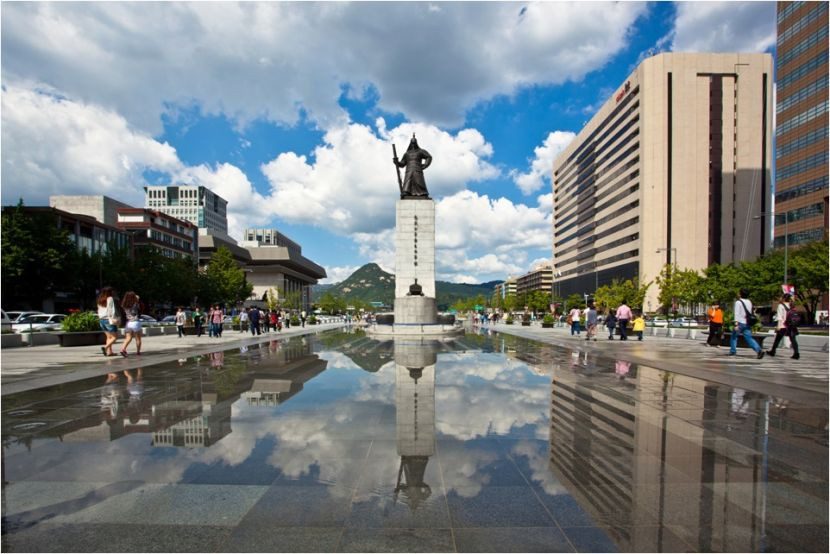
The City Hall area in Seoul is one of the most central and lively parts of the capital. Here you’ll find the impressive Seoul City Hall building, surrounded by modern skyscrapers alongside historic landmarks. The large Seoul Plaza in front of City Hall often hosts cultural events, concerts, festivals, and seasonal attractions such as an outdoor ice-skating rink in winter.
Just a short walk away lies Deoksugung Palace, famous for its stone-wall road and the changing of the royal guard ceremony, offering visitors a glimpse into Korea’s royal history. The area is also packed with shops, cafes, and restaurants, making it a perfect place to experience the energy of downtown Seoul while exploring both modern and traditional sides of the city.

Cheonggyecheon Stream
A natural stream running through the heart of Seoul, Cheonggyecheon serves as a popular leisure and recreation area for locals. The stream was originally covered in concrete in 1958 as part of the city’s industrial development during the 1950s, but in 2005 it was fully restored. Today, it is a green oasis in the city where residents and visitors come to stroll, relax, and enjoy cultural events along its banks.
How to get there: Subway lines 1 & 2, City Hall Station, Exit 4.
Myeongdong Cathedral
This cathedral, the seat of the Archbishop of South Korea, is the main church for the Catholic community in Seoul. Built in the 19th century, it was the first Gothic-style stone structure constructed in the country. The cathedral remains one of the most important religious and historical landmarks in Seoul.
Address: Corner of Samilro Street, Myeongdong Station, Subway Line 4, Exits 5 & 8.
Website: www.mdsd.or.kr
Gyeongbokgung Palace
A magnificent royal palace, Gyeongbokgung was the very first palace built during the Joseon Dynasty. Visitors can tour its restored halls and grand pavilions, offering a glimpse into the prestige and power of the dynasty’s rulers. Within the palace grounds, you’ll also find the National Folk Museum of Korea.
How to get there: Subway Line 3, Gyeongbokgung Station, Exit 5.
Opening hours:
January–February: 09:00–17:00
March–May: 09:00–18:00
June–August: 09:00–18:30
September–October: 09:00–18:00
November–December: 09:00–17:00
Closed on Tuesdays.
Admission: 1,500–3,000 KRW. Free entry for children under 6 and adults over 65.
Website: www.royalpalace.go.kr
Changdeokgung Palace
Changdeokgung is the second palace built during the Joseon Dynasty and has been designated a UNESCO World Heritage Site, recognized for its outstanding architecture and breathtaking gardens. Constructed in 1405, it served as the center of power for the kingdom’s rulers between 1618 and 1896. Recently restored, the palace offers visitors a fascinating journey into Korea’s royal past.
The highlight of the complex is the enchanting Secret Garden (Huwon), famous for its serene beauty, lotus ponds, and traditional pavilions nestled among lush greenery. Access to the garden is usually permitted only through guided tours, except on Thursdays, when visitors may explore independently.
Address: 99 Yulgong-ro, Jongno-gu
How to get there: Subway Line 3, Anguk Station, Exit 3
Opening hours: Tuesday–Sunday, tours at 11:30 and 15:30
Admission: 1,500–3,000 KRW
Website: eng.cdg.go.kr
Deoksugung Palace
Deoksugung stands out among Seoul’s palaces due to its unique blend of traditional Korean style and Western-inspired architecture, reflecting influences from the 15th century alongside modern elements.
Address: Opposite Seoul City Hall
How to get there: Subway Line 1, City Hall Station, Exit 2
Opening hours: Daily, except Mondays, 09:00–21:00
Admission: 500–1,000 KRW
Website: www.deoksugung.go.kr
Gyeonghuigung Palace
Built on the side of a hill, Gyeonghuigung is admired for its architectural and artistic beauty. Though it has undergone many changes over the centuries, it has been carefully restored and today offers an engaging glimpse into Korea’s royal past.
Address: 1-126, Sinmunno 2(i)-ga, Jongno-gu
How to get there: Subway Line 5, Seodaemun Station, Exit 4
Opening hours: Daily, except Mondays, 09:00–18:00
Admission: Free
Changgyeonggung Palace
A relatively small palace built in the 12th century, Changgyeonggung originally served as a summer residence before becoming one of the principal palaces of the Joseon Dynasty.
Address: 2-1, Waryong-dong, Jongno-gu
How to get there: Subway Line 4, Hyehwa Station, Exit 4
Opening hours: Daily, except Mondays, 09:00–17:30
Jongmyo Shrine
Recognized as a UNESCO World Heritage Site, Jongmyo Shrine is dedicated to the kings and ancestors of the Joseon Dynasty and is closely linked to Confucian traditions. It is one of the most important ceremonial sites in Korea.
How to get there: Subway Line 1, Jongno 3-ga Station, Exit 11 or Subway Line 3, Exit 8
Opening hours: Summer 09:00–18:00, Winter 09:30–17:30
Admission: 1,000 KRW
Websites: english.visitkorea.or.kr, jikimi.cha.go.kr
Seodaemun Prison History Hall
Originally built in the early 20th century, Seodaemun Prison was used during the Japanese occupation to detain Korean independence activists. Today, it serves as a historical museum. The exhibits can be heavy and emotional, but they provide important insight into Korea’s modern history.
How to get there: Subway Line 3, Dongnimmun Station
Opening hours: March–October 09:30–18:00; November–February 09:30–17:00; closed Mondays
Admission: 500–1,500 KRW
Website: www.sscmc.or.kr
Insadong
One of Seoul’s oldest and most charming districts, Insadong dates back to the late 14th century when it served the royal court. Today, it is a cultural hub with cobblestone streets, art galleries, antique shops, boutique stores, teahouses, and cozy cafés.
How to get there: Subway Line 3, Anguk Station, Exit 6, or Line 5, Jongno 3-ga Station, Exit 6
Bukchon Hanok Village
A beautifully preserved traditional village where visitors can see hanok (traditional Korean houses) and experience the atmosphere of Korea’s historic way of life. Nestled between Gyeongbokgung and Changdeokgung Palaces, it’s one of the best spots to experience authentic Korean culture in a living neighborhood.
How to get there: Subway Line 3, Anguk Station, Exits 1–3, or Gyeongguk Station, Exit 5
Gangnam District
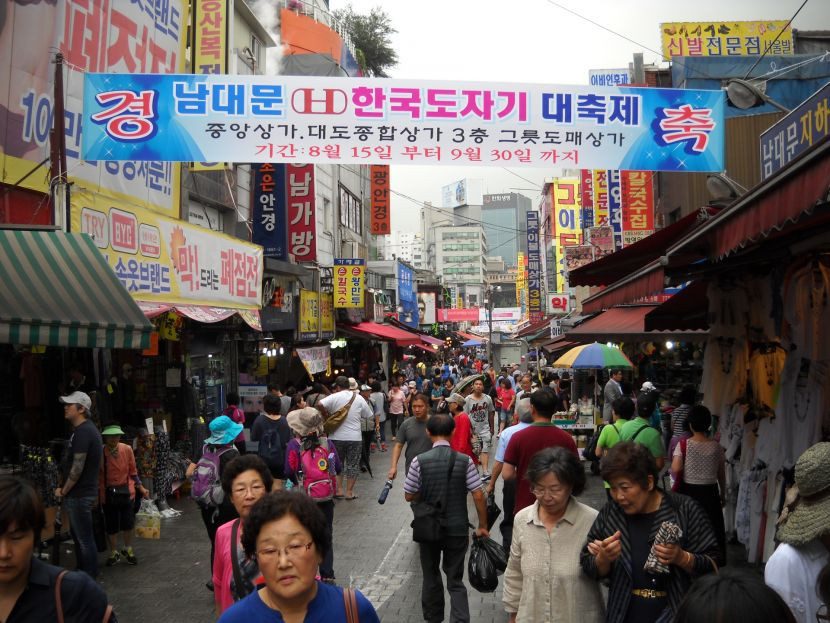
Gangnam is Seoul’s chic and trendy shopping district, located in the southern part of the city. Here, you can stroll along stylish boulevards, browse through luxury boutiques offering both international and local designer brands, and dine at top-class restaurants. If you’re tuned into Korean culture, don’t be surprised if you spot a local celebrity or two.
COEX Mall
This massive entertainment and shopping complex includes a convention center, theaters, cinemas, an aquarium, and countless shops of all types and sizes—from flagship brand stores to unique boutiques. It’s one of the must-visit landmarks of Gangnam.
How to get there: Subway Line 2, Samsung Station, Exit 6
Website: www.coex.co.kr
Samsung d’light
As one of Korea’s most famous global companies, Samsung operates an impressive visitor center in its home country. At Samsung d’light, you can explore the brand’s products, experience interactive exhibits, and get a firsthand look at its latest innovations.
How to get there: Subway Line 2, Gangnam Station, Exit 8
Opening hours: 10:00–19:00, closed Sundays
Website: www.samsung.com
Yongsan District
Located in the northern part of Seoul, Yongsan is considered the city’s most cosmopolitan area, where the international influence is strongly felt. Due to the large presence of foreign residents and tourists, many locals even joke that they feel like visitors in their own city when walking here. Yongsan is trendy and lively, filled with restaurants serving cuisines from all over the world, international shops, and entertainment spots popular with young people who want to experience a “global vibe” right in Seoul.
National Museum of Korea
The National Museum of Korea is the sixth largest museum in the world, showcasing art, artifacts, and historical treasures from across Korea’s history and dynasties. It’s a must-visit for anyone interested in the country’s cultural heritage.
How to get there: Subway Line 4, Ichon Station, Exit 2
Opening hours: Tue, Thu–Fri 09:00–18:00; Wed & Sat 09:00–21:00; Sun 09:00–19:00; closed Mondays
Website: www.emuseum.go.kr
Namsan Tower (N Seoul Tower)
One of the tallest towers in Asia, Namsan Tower stands at about 237 meters high. From its observation deck, visitors can enjoy breathtaking panoramic views of Seoul and its surroundings, especially beautiful at sunset or at night when the city lights sparkle below.
How to get there: Subway Lines 3 & 4, Chungmuro Station, Exit 2
Opening hours: 10:00–23:00 (until 24:00 on Fridays and Saturdays)
Website: www.nseoultower.net
Namsan Park
Known as one of Seoul’s green lungs, Namsan Park is a beloved landmark in the heart of the city. In addition to Namsan Tower at its center, the park features botanical gardens, a library, animal habitats, and walking trails. It’s a great spot for families and nature lovers to escape the urban rush.
How to get there: Subway Line 3, Dongguk Univ Station, Exit 6; Line 4, Hoehyeon Station, Exit 4; or Lines 3 & 4, Chungmuro Station, Exit 2
Website: parks.seoul.go.kr
Gangdong District
Located in the southeast of Seoul, Gangdong is home to cultural landmarks, expansive parks, and family-friendly attractions. Visitors will find the SOMA Museum of Art, an impressive sculpture park, and a traditional rural-style market that adds a touch of heritage to the modern cityscape.
Olympic Park
Built as the athletes’ village for the 1988 Seoul Olympic Games, this vast site has since been transformed into a large urban park. Today, it offers a scenic promenade, ecological park areas, walking trails, and wide open spaces for leisure and relaxation.
How to get there: Subway Line 5, Olympic Park Station, Exit 3
Website: www.olympicpark.co.kr
SOMA Museum of Art
Located within Olympic Park, the SOMA Museum of Art is one of Seoul’s premier art museums. Its highlight is the stunning outdoor sculpture park, considered one of the five most beautiful sculpture gardens in the world.
Address: 88-2, Bangi-dong, Songpa-gu
How to get there: Subway Line 5, Olympic Park Station, Exit 3
Opening hours: Tue–Sun 10:00–18:00 (open until 21:00 on Thursdays and Saturdays)
Website: soma.kspo.or.kr
Lotte World
Known as the largest indoor amusement park in the world, Lotte World features 42 different rides and attractions, making it a must-visit for families and thrill-seekers alike. The park also includes outdoor areas, parades, and themed zones for a full-day adventure.
How to get there: Subway Line 2, Jamsil Station, Exit 4
Opening hours: 09:30–23:00 year-round
Admission: 18,000–24,000 KRW
Website: www.lotteworld.com
Affiliate Disclosure:
This post may contain affiliate links. If you purchase through these links, we may earn a small commission at no additional cost to you.
Your support helps us keep TravelEast running and continue sharing authentic travel experiences.